
Discovering the Authentic konkani people’s lifestyle
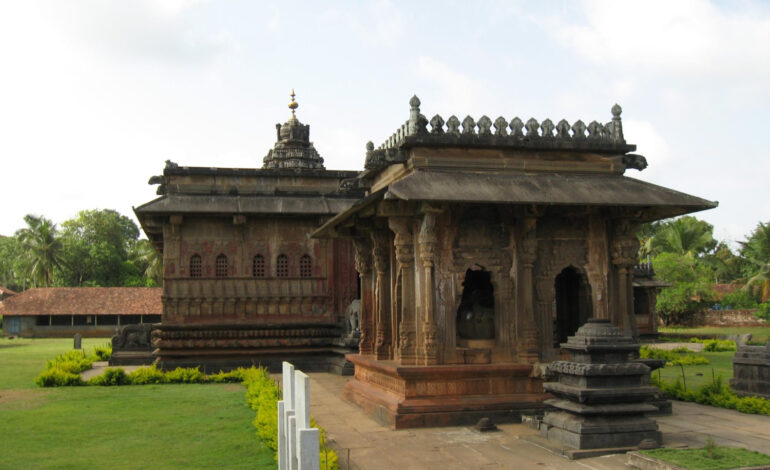
Deep in the heart of India’s western coastline lies the Konkan—a strip of land where the rhythm of life is dictated by the tides of the Arabian Sea and the lush greenery of the Western Ghats. The Konkani people lead a life that is a beautiful blend of labor and celebration, where every day is a tribute to the land and water.
Here is a glimpse into the vibrant lifestyle of the Konkani people.
Deep in the heart of India’s western coastline lies the Konkan—a strip of land where the rhythm of life is dictated by the tides of the Arabian Sea and the lush greenery of the Western Ghats. The Konkani people lead a life that is a beautiful blend of labor and celebration, where every day is a tribute to the land and water.
Here is a glimpse into the vibrant lifestyle of the Konkani people.
1. The Lifeline: Fishing and Farming
For a Konkani, the sea is not just a view; it is a provider. The Koli and Gabit communities are the heart of the coastal economy.
- The Sea’s Harvest: Early mornings are marked by the sound of boat engines and traditional wooden crafts returning with fresh Mackerel (Bangda), Pomfret, and Kingfish (Surmai).
- The Red Earth: Inland, the landscape turns into a patchwork of emerald paddy fields and orchards. The region is world-famous for the Alphonso Mango (Hapus), alongside cashews, kokum, and betel nuts. Farming is a family affair, especially during the monsoon when rice transplantation brings entire villages together.
2. Culture in Motion: Shimga and Ganpati
Festivals in Konkan are not just events; they are the soul of the community.
- Ganesh Chaturthi (Ganpati): This is the biggest homecoming. No matter where a Konkani person is in the world, they return to their ancestral village (Gaon) for Ganpati. The air is filled with the smell of incense and the sound of Bhajans. The highlight is the Ukadiche Modak (steamed rice flour dumplings stuffed with coconut and jaggery).
- Shimga (Konkan’s Holi): While the rest of India plays with colors for a day, Konkan celebrates Shimga for nearly two weeks. It involves the Palkhi Utsav, where local deities are carried in palanquins from house to house. Villagers perform the Gomu dance and traditional folk theater like Dashavatar, which brings mythological stories to life in the village square.
3. The Culinary Identity
Konkani food is a sensory explosion of spice, coconut, and tanginess (from Kokum).
- The Staples: A typical meal consists of Sheet-Kadi (Rice and Fish Curry).
- Solkadhi: No meal is complete without this cooling, pink digestive drink made from coconut milk and kokum.
- Monsoon Preparations: During the heavy rains when fishing is banned, families rely on dried fish (Sukhi Machli) and seasonal vegetables like Pathrado (colocasia leaves rolls).
4. Architecture and Living
The traditional Konkani house, or “Kaularu Ghar,” is built to withstand the heavy tropical monsoons.
- Red Laterite Stones: Most houses are built using local red stone (Chira).
- The Veranda (Oti): This is the social hub of the house, where elders sit to chat, watch the rain, or clean fish.
- Backyard Gardens: Every home usually has a Wadi—a backyard filled with coconut, banana, and papaya trees, ensuring that the kitchen is always stocked with fresh produce.
Key Takeaway
The Konkani lifestyle is defined by Susegad—a relaxed, contented approach to life. It is a culture that respects nature, values community, and finds joy in the simplest of things, like a fresh catch or a ripe mango.